
Back in the 1860s, settlers from France, Italy, and Germany built grand Parisian boulevards…
…neoclassical facades…

… and cobblestone Bavarian villages halfway across the globe.
Then the rest of the world largely forgot about them.
Today, expats are uncovering a European standard of living…
… Lakefront rental homes for $721 a month…
… private chauffeur service…
… and elite healthcare – completely free from tourist crowds and inflated European price tags.
Barrick Reports Q3 Monday. The Copper Story Is Bigger Than Gold.
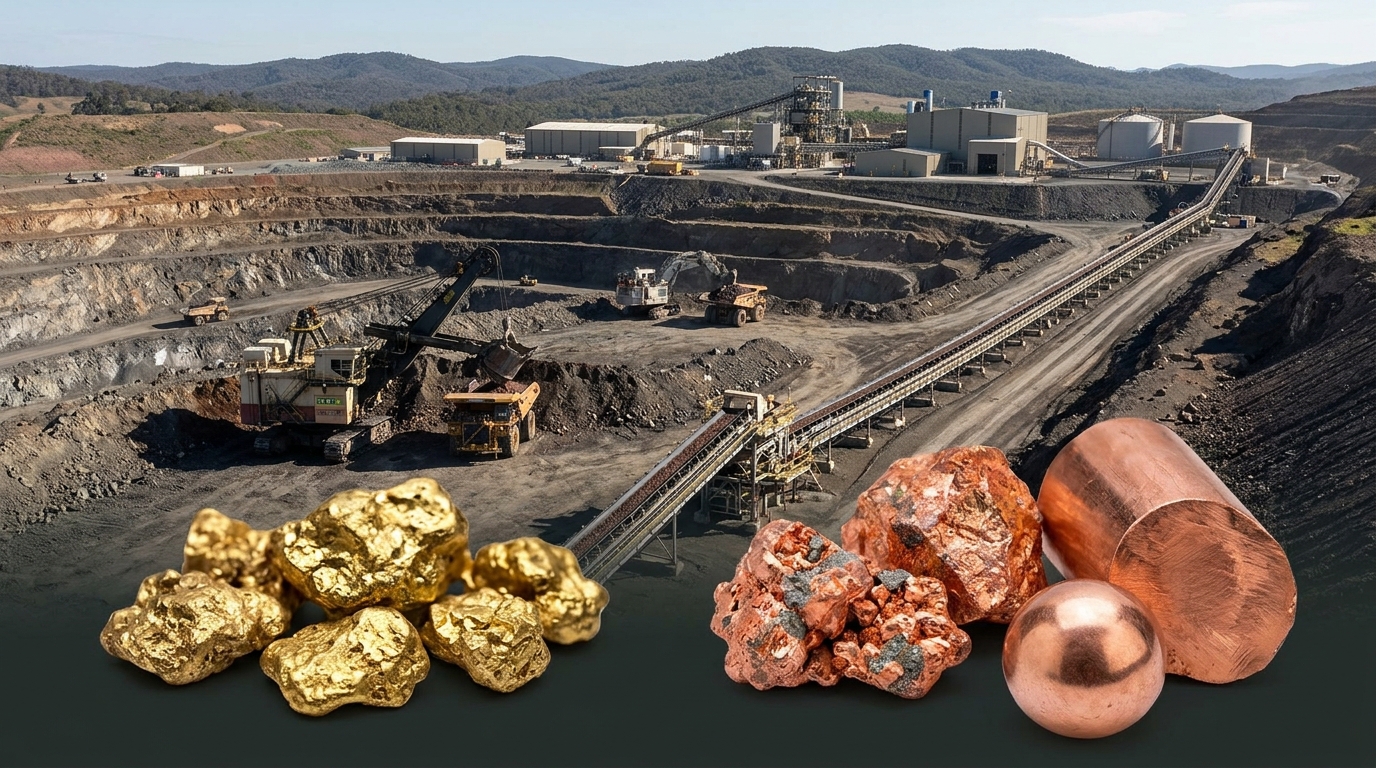
Barrick Mining Corporation (NYSE: B) will release its third-quarter 2026 results before markets open Monday, November 9, at 6:00 a.m. ET. The headline numbers will get attention. The more important question is what management says about copper.
Gold is trading around $4,070 per ounce as of Sunday. That is well below the all-time high of about $5,595 set on January 29, 2026, and it matters for Barrick’s realized price. But the gold business is not where the differentiated case for this stock lives right now.
Barrick has beaten the consensus estimate for earnings in each of the last four quarters by an average of roughly 14.4%, with higher realized gold prices and increased production expected to have aided Q3 performance. Cost pressures are expected to have continued, with consensus AISC for Q3 pegged near $1,929 per ounce, a roughly 25% year-over-year increase. So the gold division enters this report carrying known headwinds: costs rising faster than production volumes, with spot prices below their January peak compressing the spread further.
Gold production rose 11% sequentially to 796,000 ounces in Q2, exceeding guidance. The company expects production to increase again in Q3, driven by the Loulo-Gounkoto ramp-up, Goldrush, and mine sequencing. Those are real operating catalysts. They are also largely understood by the market.
What is less priced in is the copper optionality.
Barrick’s $2 billion Super Pit Expansion Project at its Lumwana mine in Zambia is progressing steadily, accelerating its shift into a Tier One copper mine. The expansion remains on schedule, with first copper production targeted for the end of Q1 2028. During Q2, the second lift of the mill walls was completed, primary crusher civil works advanced, and most major long-lead equipment is now on site, including the mill shells and trunnions.
The expansion will double Lumwana’s copper output to 240,000 tonnes annually, supported by a new processing plant with a capacity of about 52 million tonnes per year. The anticipated timing and cost of the Lumwana Super Pit Expansion and the anticipated timing for first copper production are among the most closely watched disclosures in Monday’s call.
The copper cost structure is a legitimate concern. In Q2, copper AISC rose 36% year-over-year to $3.95 per pound. Full-year 2026 copper production guidance is maintained at 190,000 to 220,000 tonnes. Any update on second-half copper cost trajectory, and whether Lumwana construction capex stays within the guided $750 million to $850 million for the year, will move the read on this stock more than any single-quarter EPS beat.
Barrick’s dividend profile is worth noting for income-focused investors. The company currently yields 2.24%, with a payout ratio of just 24%, suggesting ample retained earnings to reinvest or weather commodity price volatility.
That dividend capacity reflects a broader pattern across the sector. Gold miners have been generating record free cash flow while their equity multiples lag the metal itself.
The balance sheet matters too. Total cash and equivalents stood at $5.93 billion as of June 30, 2026, with a debt-to-equity ratio of about 12.71%, giving management significant room to press the Lumwana build without issuing equity or straining credit.
The straightforward read on Monday’s report is a gold producer capturing elevated prices against rising costs. The more complete read is a company converting today’s gold cash flow into tomorrow’s copper production, arriving at scale in 2028 when new copper supply will be genuinely scarce. Those two stories trade at different multiples. Right now, the market is largely pricing the first one.