
The Shocking Truth about the AI Bubble
In just 48 hours, a tidal wave of bad news battered AI stocks:
- Chip giant Intel dropped 29%…
- Google had its worst day ever, losing $500 billion in value…
- And tech stocks plummeted by more than $1 trillion in one trading day…
That’s more than $153 billion vaporized each hour!
Top internet news site Drudge Report had this headline screaming at the top of the page…
“$10 trillion ‘AI Boom” starting to crack…”

So is the AI bubble finally bursting?
It sure as heck looks like it…
But here’s the shocking truth: it isn’t bursting for every stock.
On the same day Intel plunged 29%, the S&P 500 fell just 1.8%.
In other words, the stock market is splitting in two.
And the independent millionaire who recommended NVDA at $6 saw this coming.
He calls this stock market split the Great AI Shock.
On one side, the most hyped AI stocks could see a 77% meltdown…
On the other side, a little-known corner of AI that NVDA’s CEO calls a “once-in-a-generation opportunity” could produce triple digit gains over the coming months…
And the recent carnage is only the beginning – because the stock market split is just getting started…
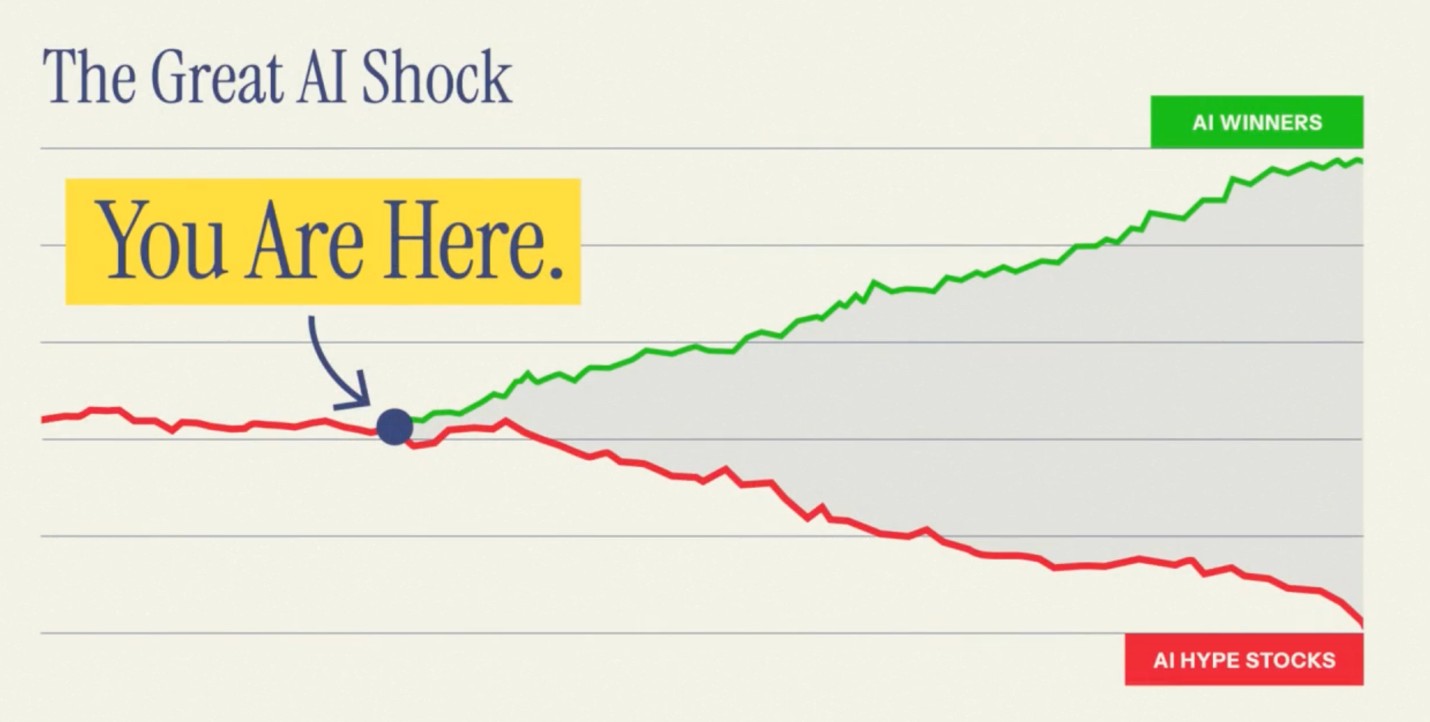
If you own any AI stocks, you need to decide which side of the split you’re on…
And you need to decide soon.
See the full story here, including details on the #1 stock on the right side of the split.
Burberry Reports Half-Year Results Thursday. Asia Is the Question.
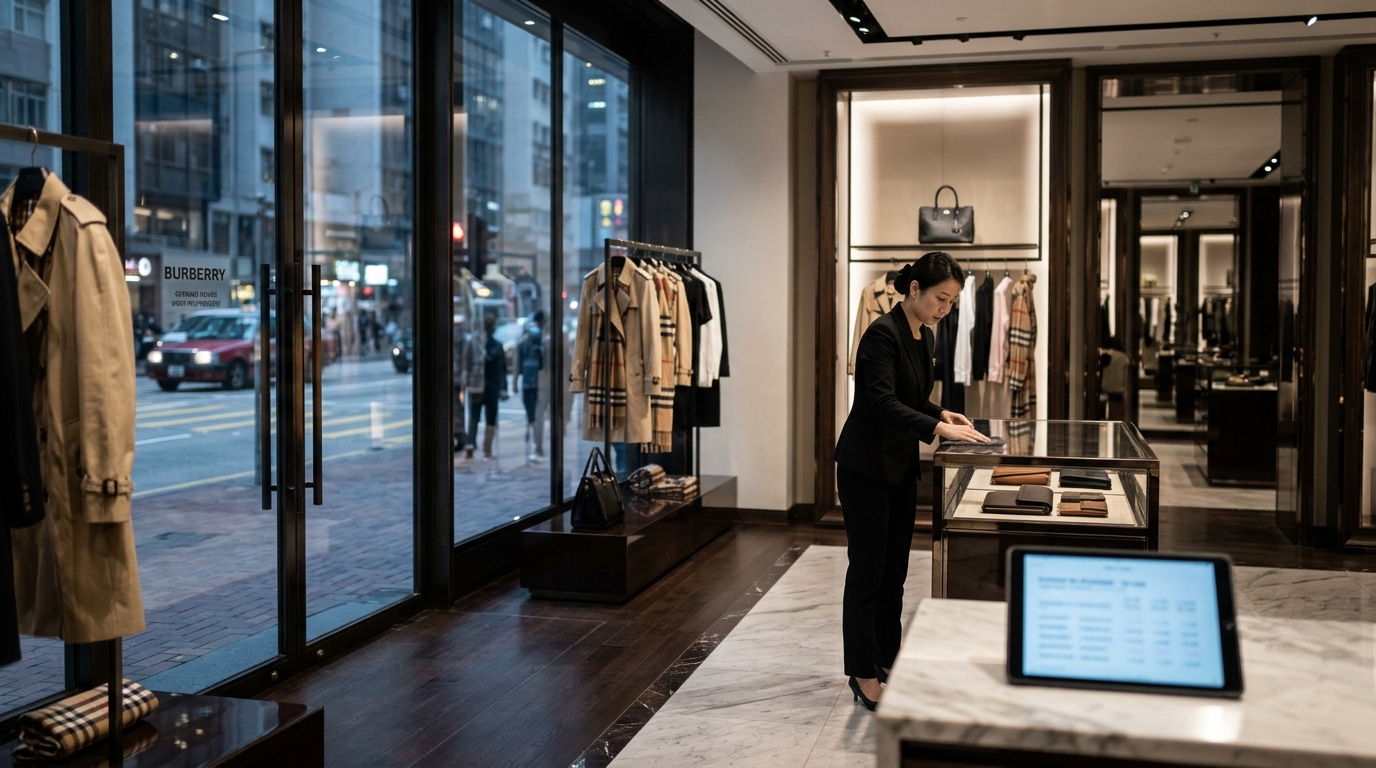
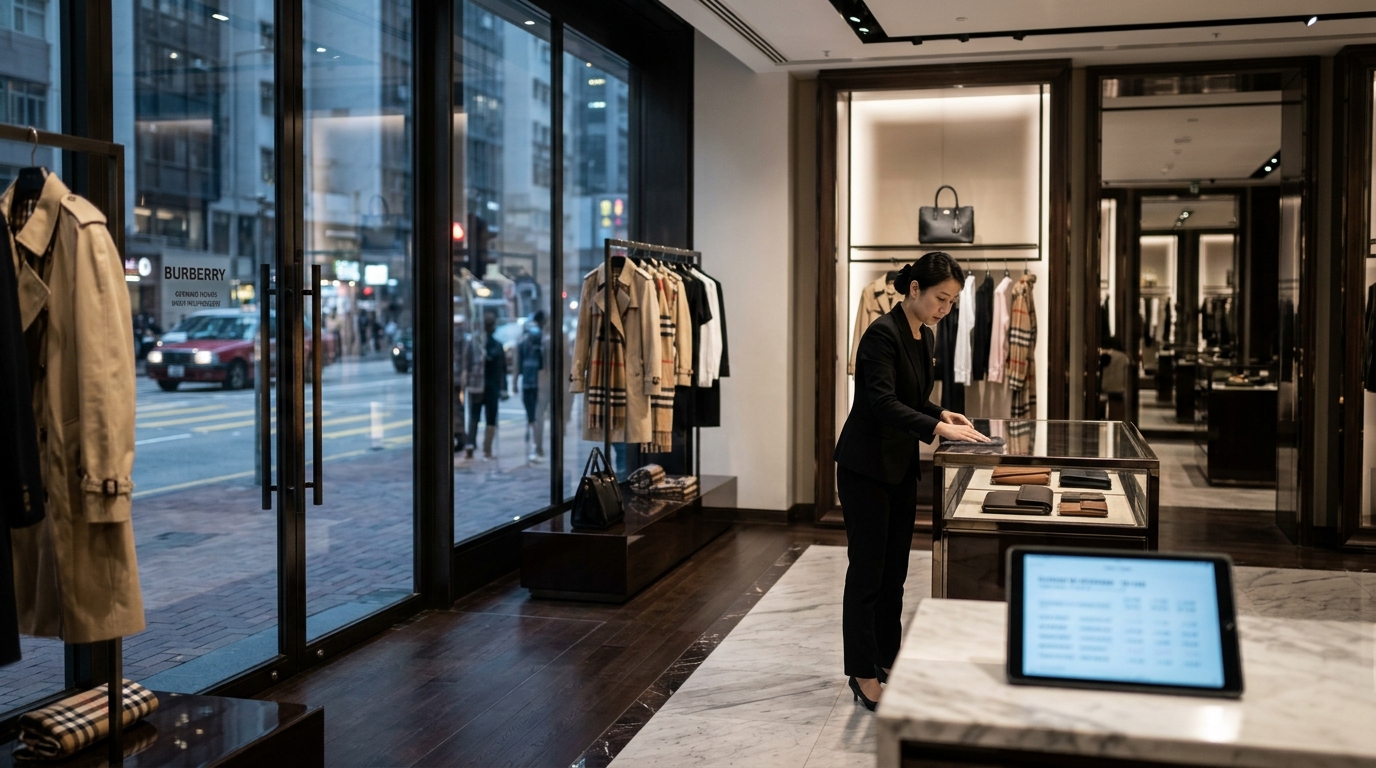
Thursday’s Burberry half-year results arrive with two things happening at once. The H1 FY2027 interim results land at 07:00 UK time on 12 November, covering the 26 weeks ending 26 September 2026. On that same date, Gerry Murphy retires as chair after nearly nine years, succeeded by William Jackson, founder and former chief executive and chair of Bridgepoint Group. The numbers and the leadership handover are simultaneous, which concentrates the pressure considerably.
What’s Driving the Market
The sector backdrop that greets Jackson on his first morning is uncomfortable. LVMH said third-quarter organic growth was 1%, and pointed to a less buoyant environment in China. Asia excluding Japan experienced a reversal, declining 5% in Q3 after posting 7% growth in Q1 and 4% in Q2. Investors have rotated defensively in response.
That matters acutely for Burberry. The brand generated about 49% of its revenue from Greater China and Asia Pacific combined in FY2026, and about 21% in the Americas. Greater China alone contributed £670 million, roughly 28% of group revenue, in FY2026. When LVMH describes a less buoyant environment in China, it frames the environment Burberry is reporting into.
The connection to gold investors is real, if indirect. China’s gold jewellery demand recorded its weakest first half in tonnage terms since 2006, as tepid consumer confidence and elevated gold prices weighed on purchases. Rising gold prices have also pushed consumers toward lighter-weight or lower-carat products, a shift that can squeeze the discretionary spend available for other prestige categories at the same time. The same softness in Asian discretionary spending that is compressing Burberry’s comparable sales can suppress jewellery volumes in Beijing and Shanghai simultaneously. Luxury goods demand and gold jewellery appetite are reading from the same consumer balance sheet.
The Investment Question
What makes Thursday complicated is that Schulman’s turnaround was, until recently, a credible story. Fiscal 2026 was the inflection year: comparable sales returned to 2% growth, and adjusted operating profit jumped to £160 million from £26 million. The Q1 FY2027 trading update in July showed comparable retail sales up 5%. For the first time in three years, all four divisions grew together, led by outerwear.
The bull case for Thursday, per ChartsView’s compiled consensus, rests on continued comparable sales growth and a first-half margin materially above FY2026’s 1.0%, alongside revenue and adjusted operating profit meeting rather than being trimmed from management guidance of £2,544m and £246m respectively for FY2027. Shares have risen strongly over the last year and the last two, suggesting investors were beginning to warm to the recovery.
But that Q3 LVMH data introduces serious uncertainty about whether Burberry’s Asian numbers, which cover the same July-September window, sustained the Q1 momentum or reversed it. Japan turned negative in Q1 FY2027, and EMEIA fell 3%. A repeat of that dynamic through the full half could drag the revenue line below what management signalled in May.
Risks to Monitor
Investors will be looking for any improvements in the beleaguered luxury sector, from which Burberry has not been exempt despite its progress. The sector divergence is sharp: Richemont has been more insulated than many fashion and leather names, with demand for high jewellery and specialist watchmaking helping. Burberry sits in accessible luxury, not hard goods, which makes it more exposed to discretionary pullback than the jewellers.
Growth held at 5% in Q1 rather than accelerating, and the market had priced in acceleration, sending shares down on the day of the July update. Thursday’s report faces the same dynamic at higher stakes: any sign that comparable growth has stalled or that H1 wholesale, guided to grow at a high-single-digit pace, missed its own upgraded target, could reset those expectations sharply.
Bottom Line
The incoming chair William Jackson inherits a business that has travelled from profit warnings and double-digit comparable sales decline to operating profitability and sequential growth. That is genuine progress. What he cannot control is whether the recent Chinese consumer slowdown that LVMH flagged landed inside Burberry’s half-year window. In China, structural pressure on younger and middle-income consumers suggests the era of easy double-digit expansion is over for now. Schulman’s trench-coat and scarf-led recovery was well-timed for a brand repositioning. It was not designed to be recession-proof in its most important market. That is what Thursday will begin to tell us.