
October 4, 2026
Bonus Content: Copper’s Real Squeeze Is at the Smelter, Not the Mine
For a while now, I’ve been showing regular traders like you how to take advantage of a specific 60-minute window…
One that lets us go after 50% returns every morning – whether the market opens higher… or lower.
Here’s what I mean…
If you had spotted this 60-minute opportunity yesterday morning… all you would’ve had to do was place a quick trade before 10 am…
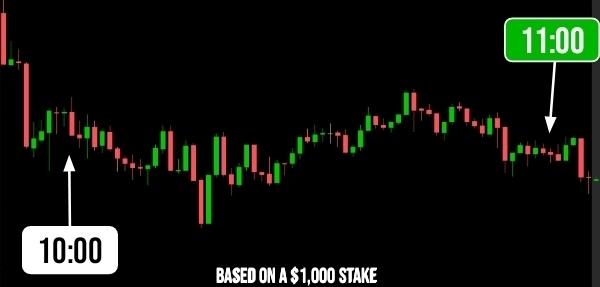
Went ahead with your morning plans and when you return a couple of minutes later, there’s a good chance you’d find $500 in extra income sitting in your account (on a 1k stake)
It wouldn’t have mattered what happened with the overall market… this 60-minute window would have been all you needed to target cash.
Today? Same story.
Place a quick trade, grab your coffee… and let the setup do the heavy lifting.
And just 60 minutes later… come back to what could be a nice $500 in extra income sitting in the brokerage account.
I designed the setup to be that straightforward.
Granted, there will be trades that won’t work out
But if you want in?
Copper’s Real Squeeze Is at the Smelter, Not the Mine
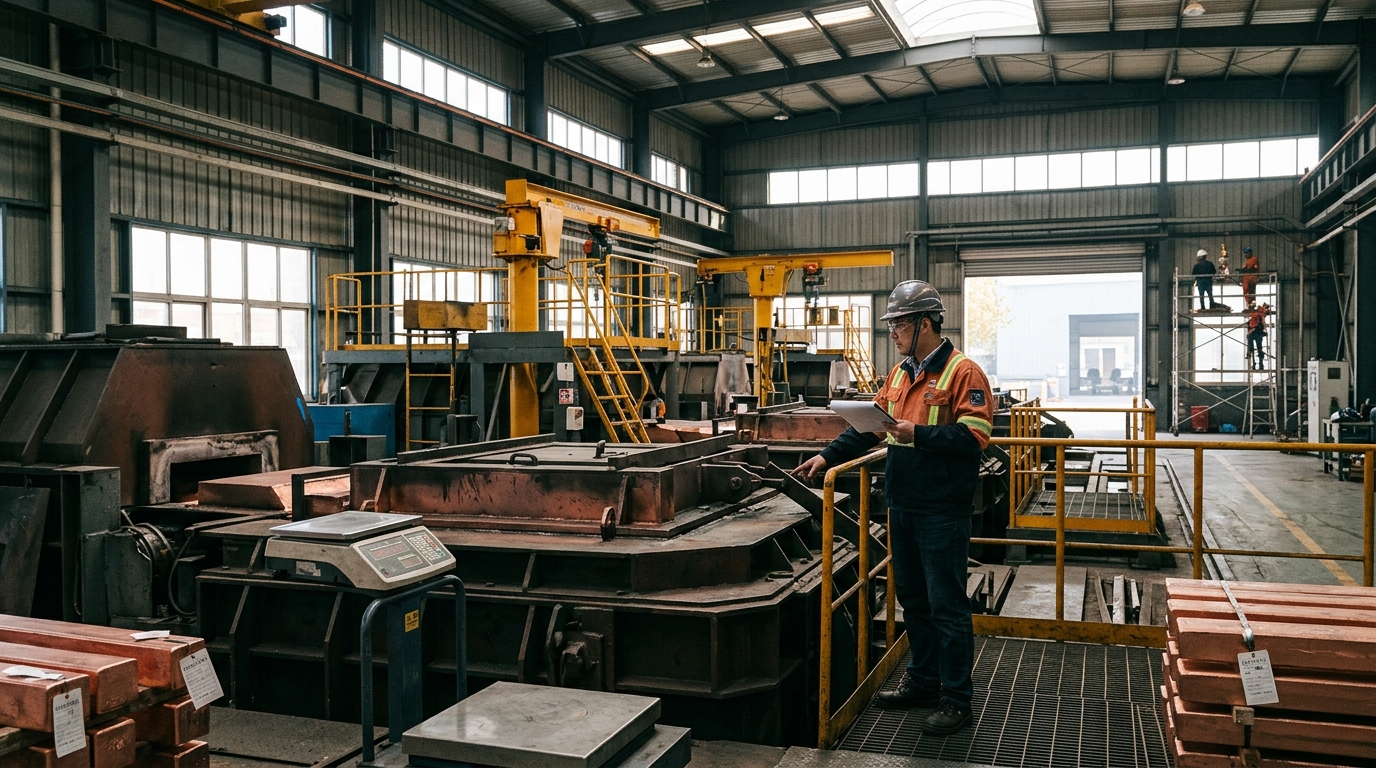
Copper fell roughly 3% on COMEX last week, closing near $14,370 per tonne, while LME settled at $14,253.50 on October 1, about 4% below September’s record high. On the surface, that looks like a metal losing momentum. Underneath, a different story is forming.
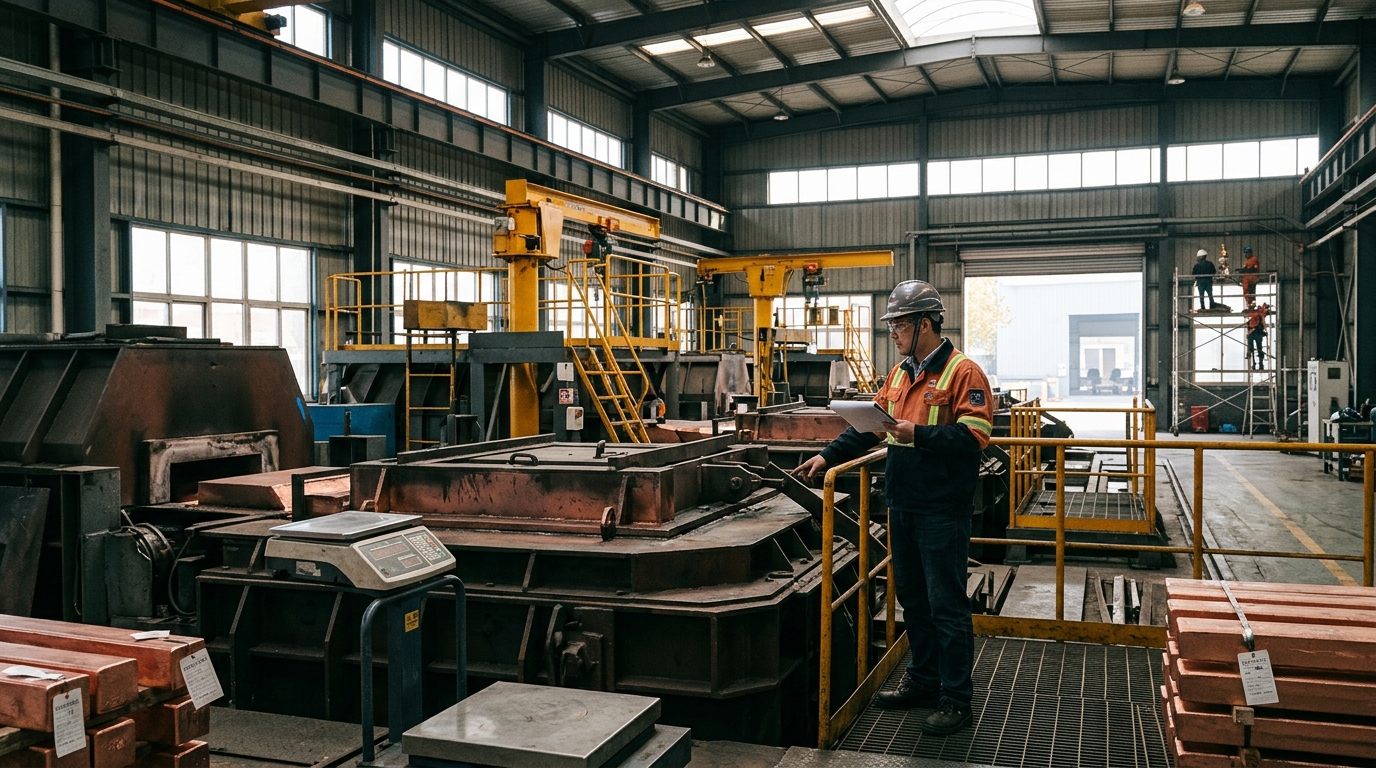
The LME prompt spread widened to a monthly high as Chinese smelters scheduled Q4 maintenance. The prompt spread is the price gap between copper for immediate delivery and copper for later delivery; a wider premium on nearby metal means buyers are paying up to get copper now, a sign of tight supply. Spot price declining while the prompt premium climbs is not contradiction. It is the market telling you the constraint has migrated upstream.
Where the Tightness Is Now
For most of 2026, the copper story centered on mine supply: labor unrest in Chile, disruptions at Grasberg, a concentrate market running near structural deficit. That chapter has not closed. At Escondida, supervisors moved toward strike action after a late-September vote rejecting the latest contract offer, keeping that risk alive. But the bottleneck physically moving metal from concentrate to cathode is now the dominant pressure point.
Seven Chinese smelters have scheduled maintenance periods lasting between 30 and 60 days in October and November, and Reuters reported analysts estimate those shutdowns could cut refined copper supply by approximately 80,000 metric tonnes. Compounding that, analysts expect the slowdown in refined output to become more pronounced in Q4 as a tax change and enforcement drive reduces scrap availability, further limiting smelters’ ability to substitute secondary raw materials when feedstock conditions tighten.
China’s refined copper production is expected to increase just 3% to 3.4% this year, Reuters reported, citing forecasts from Wood Mackenzie and Zijin Tianfeng Futures. That would be the weakest growth since at least 2000, versus 10.4% in 2025. Less refined output with low inventories entering Golden Week means cathode is scarce where the demand is. With Chinese smelters in Q4 maintenance, less scrap means more cathode demand, which supports Chinese import premiums.
The Investment Angle
Processing tightness is a fundamentally different trade from mine supply tightness. When mines are the constraint, integrated miners with low-cost concentrate capture the margin. When smelter throughput is the constraint, the premium accrues to producers who have already converted concentrate to metal and to miners with diversified downstream arrangements.
Freeport-McMoRan sits in a strong position here. The company reported it produced 830 million pounds of copper in Q3, in line with expectations, with realized copper prices exceeding $6.50 per pound. More relevant to the current dynamic, the company highlighted a late-August operational milestone with the restart of the PTFI smelter in Indonesia, supporting its broader push toward more in-country processing and greater vertical integration. That is exactly the capability that pays when smelter bottlenecks tighten.
BHP, Glencore, and Antofagasta each carry large-scale Chilean exposure. All three benefit from tighter concentrate conditions pushing spot treatment charges lower, which shrinks the share of value going to processors and leaves more with miners. Teck, now primarily a copper producer after exiting most of its steelmaking coal business, carries similar leverage to that dynamic through its Quebrada Blanca and Highland Valley operations.
Risks to Monitor
Copper’s price has fallen over the past month but remains materially higher than a year ago, which means any demand destruction from elevated prices, particularly in Chinese fabrication, could ease the prompt premium faster than the maintenance schedule suggests. A hawkish Federal Reserve also weighed on the metal last week, and dollar strength remains a headwind that no amount of physical tightness fully offsets.
On the supply side, Goldman Sachs has estimated U.S. copper inventories could rise by about 900,000 tonnes in 2026, taking total stockpiles toward roughly 1.8 million tonnes, much of it effectively trapped by tariff and policy uncertainty. That metal is not available to ease Chinese tightness, but a resolution of U.S. tariff policy could redirect flows and relieve the prompt premium quickly.
Bottom Line
The copper market is running two simultaneous stories and most investors are watching the wrong one. The headline price drift lower is a COMEX and dollar phenomenon. The physical market outside the U.S. is tightening from a different direction, and major banks and consultancies still expect an ex-U.S. deficit in 2026. That deficit is now being enforced not by the ore body but by the furnace. Producers with downstream integration, long reserve lives, and Chilean or Indonesian assets at scale are the ones most directly positioned to benefit as Q4 unfolds.