
September 8, 2026
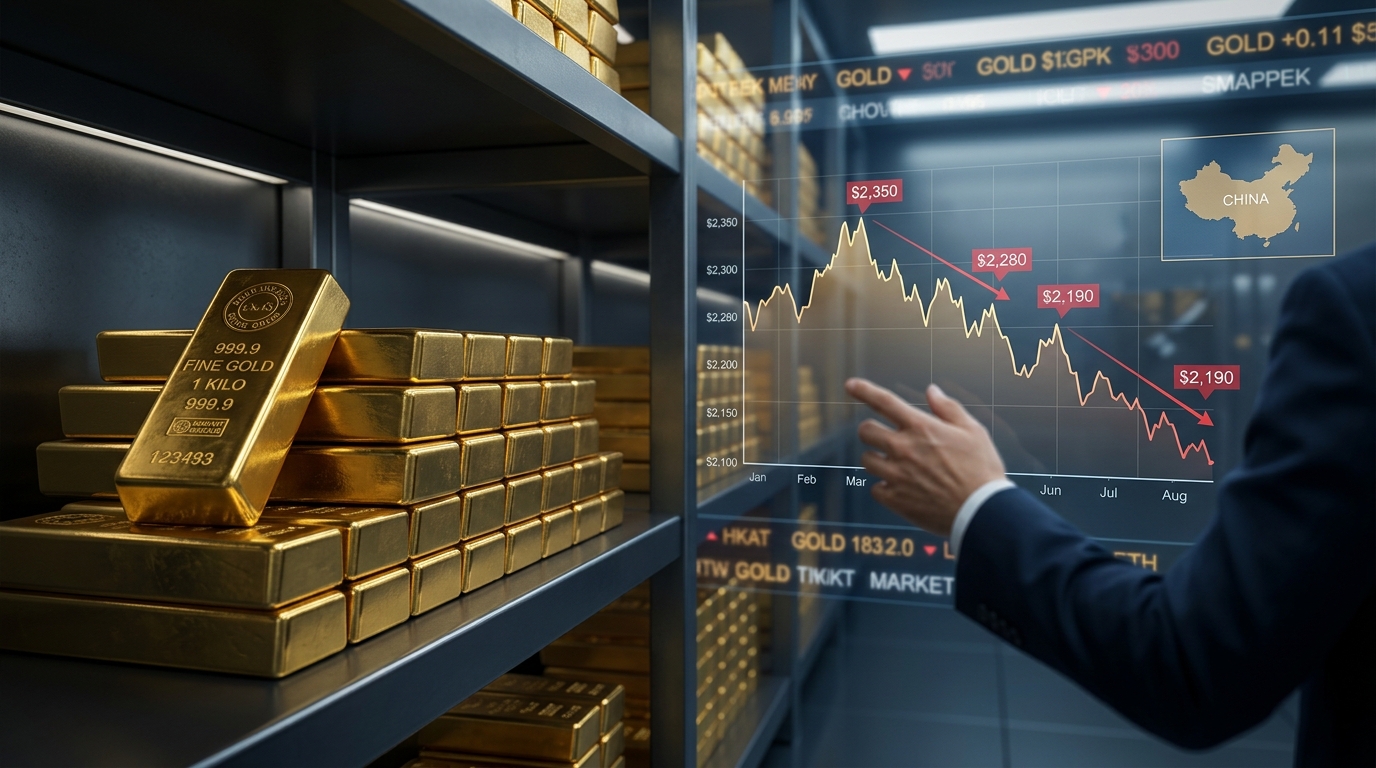
Bonus Content: China Bought Gold for 22 Straight Months. It Has Not Stopped the Price From Sliding.
The Copper Window May Still Be Early
The best part of a resource cycle is rarely when everyone is already talking about it.
The more interesting moment is before it gets crowded. Before the big headlines turn into consensus. Before smaller names tied to future supply start getting pulled into the spotlight.
That may be where copper is now.
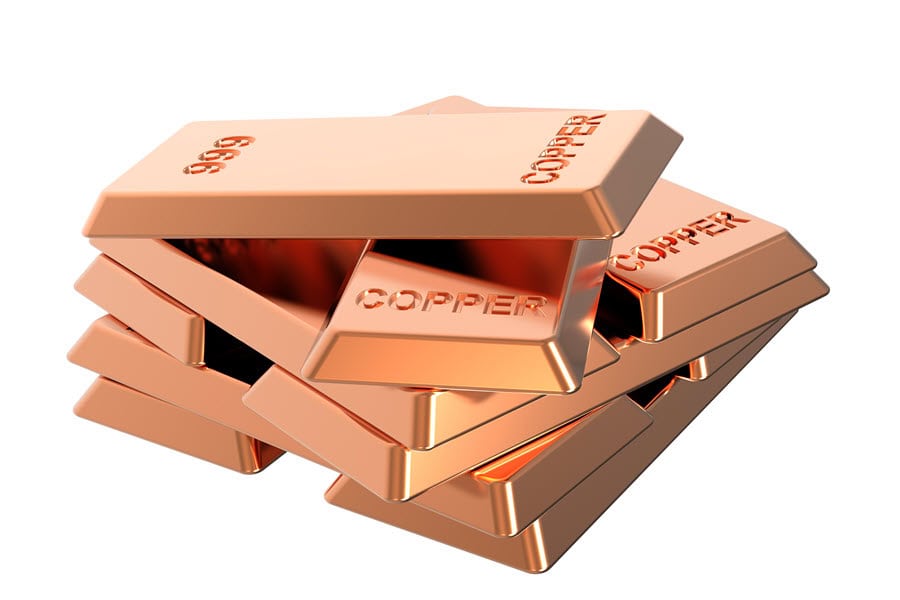
S&P Global forecasts global copper demand will climb up to 50% over the next 14 years, from 28 million metric tons to 42 million by 2040. AI is adding a new layer to that pressure.
One Microsoft datacenter reportedly used more than 4.8 million pounds of copper. Now there are more than 3,000 data centers planned in the U.S. alone and more than 12,000 worldwide.
Meanwhile, new supply remains difficult to bring online. Declining ore grades, permitting delays, and higher costs are all making future copper harder to develop.
That’s why North American copper stories may matter more now.
This one has more than 62,000 feet of historical drilling, five drill-ready targets, 100% project control, fresh exploration funding, and a proven, seasoned team.
If copper is entering a new cycle, early investors will want to know where the next supply stories are forming.
China Bought Gold for 22 Straight Months. It Has Not Stopped the Price From Sliding.
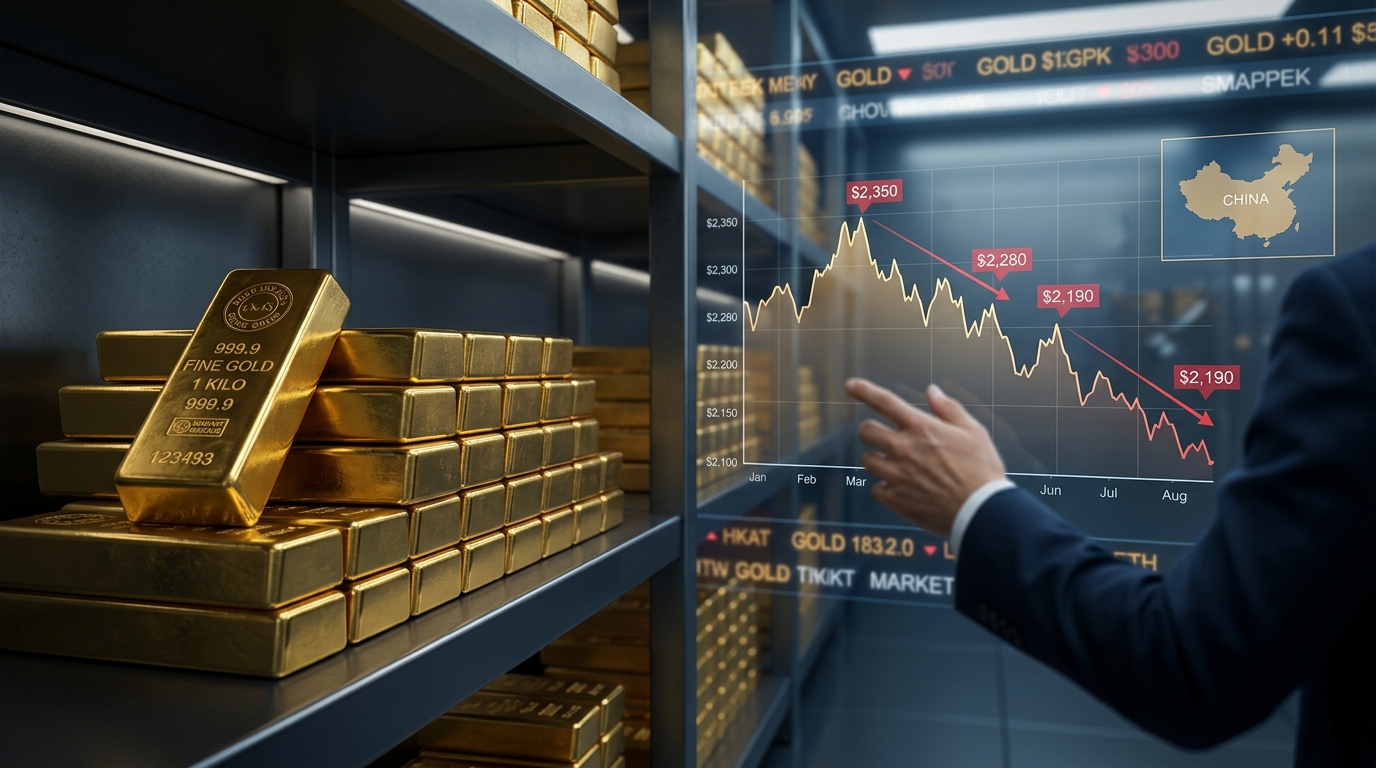
Two things happened in the gold market this week that appear to contradict each other, and the contradiction is the story.
China’s official data released September 7 showed the People’s Bank of China added 650,000 troy ounces of gold in August, extending its buying streak to 22 consecutive months. The addition followed July’s 640,000-ounce purchase, which was the largest single-month increase since October 2023. Meanwhile, spot gold slipped to around $4,405 per ounce, down roughly 1% from Friday, after a stronger-than-expected August payrolls report pushed market-implied odds of a September Fed rate hike toward the 60% range.
The metal has since steadied. Gold was trading near $4,430 this morning. But the dynamic is worth examining closely: the world’s most important official-sector buyer is accelerating its purchases at the same time that short-term rate expectations are weighing on the price. Which buyer actually controls the floor?
What’s Driving the Market
Precious metals fell hard on September 1 as a firmer U.S. dollar and a global bond slide hit non-yielding assets, with gold settling around $4,450 after comments from Fed Chair Kevin Warsh pushed market-implied odds of a September rate hike into the mid-60% range. A global bond slide pushed the 10-year Treasury yield to around the high-4% range, raising the opportunity cost of holding gold and silver. Those losses were only partially reversed once Fed Governor Waller signaled he was leaning toward holding rates if disinflation continues.
The Fed calendar is the short-term variable. The PBoC is the structural one. The PBoC’s buying pace has accelerated sharply since March, when it added a comparatively modest 160,000 ounces. By June the figure had tripled to 480,000 ounces. August’s 650,000-ounce haul represents the new high-water mark in this ramp-up. Crucially, the buying spree sits at the intersection of geopolitical hedging and reserve diversification away from U.S. Treasuries, a strategy that became urgent after Western nations froze roughly $300 billion in Russian central bank reserves following the 2022 invasion of Ukraine.
If China maintains anything close to this pace, it will add north of 7 million ounces annually, roughly 218 metric tons per year of net new central bank demand from a single buyer, in a market where annual mine production globally runs in the range of about 3,000 to 3,500 metric tons. That is a meaningful supply constraint that weekly Fed pricing cannot easily overwhelm.
The Investment Opportunity
For investors trying to position around this split, the answer is not to ignore the rate risk but to find companies insulated from it. Agnico Eagle’s Q2 2026 adjusted net income rose to about $1.54 billion, or $3.07 per share, and the company declared a $0.45 quarterly dividend. Agnico Eagle carries roughly 15 years of reserves at the end of 2025, with several opportunities to increase production in coming years.
The company maintains full exposure to higher gold prices through its policy of no forward gold sales, meaning shareholders capture the upside directly when the PBoC’s structural bid reasserts itself. Agnico Eagle operates large Canadian mines including Detour Lake, the Canadian Malartic complex and Meadowbank, all in jurisdictions that carry far less political risk than emerging-market peers chasing higher grades.
For broader exposure, GLD remains the cleanest way to track bullion directly if the rate picture clarifies in gold’s favor ahead of the September 15-16 Fed meeting.
Risks to Monitor
Fed Chair Warsh’s stated intention to continue the inflation fight, combined with a FedWatch reading that has hovered around the low-to-mid 60% range for a September hike at points over the past week, represents the clearest near-term threat to gold’s recovery. A confirmed hike would likely extend the dollar’s recent firmness and push real yields higher, repeating the pattern seen on September 1.
On the other side, commentary from Fed Governor Waller and remarks from New York Fed President Williams have helped cushion losses so far. Traders will closely watch oil prices and the upcoming U.S. CPI data, as disinflationary readings could make a September hold the more likely outcome.
Bottom Line
The PBoC does not buy gold because it has a view on where the Fed funds rate will be in six weeks. Its structural reserve composition gap relative to Western peers provides a long-term rationale for continued accumulation regardless of near-term price or policy conditions. That is the insight this week’s data delivers: sovereign buyers who operate on decade-long reserve rebalancing programs can help set floors that short-term rate volatility cannot simply erase. Gold near $4,430 with 22 consecutive months of the world’s second-largest economy buying into every dip is not a market in distress. It is a market being reset by buyers who do not read the Fed statement.