
September 13, 2026
Bonus Content: Prediction Markets Have an Insider Trading Problem. Election Officials Are Now Writing the Rules Themselves.
There might be no clear end in sight to the Iran war…
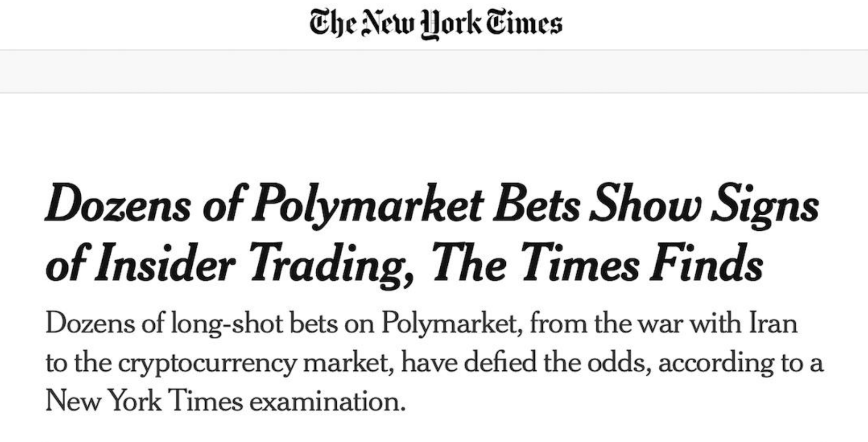
But this escalation is likely distracting you from a stunning pattern quietly heating up in the predictions market…
Corporate and Political insiders, folks with firsthand info on potential announcements, deals, policy changes coming up and more…
Have been making sneaky yet massive bets on platforms like Polymarket…
And quietly front-running the market in the process.
That’s why you’d have noticed news about this pattern flying around…
Out of the blue on May 19th this year…
I tracked a large bearish bet on Bitcoin from an account with over $10 million in volume…
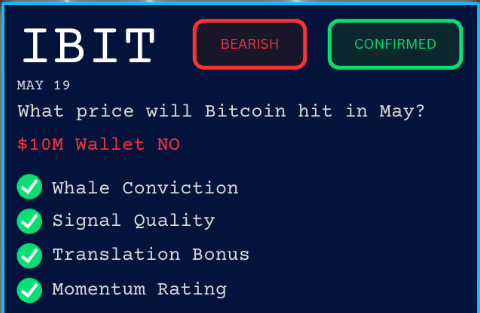
Days later… News came out that the SEC was delaying plans to further crypto innovations, obvious bad news for Bitcoin.
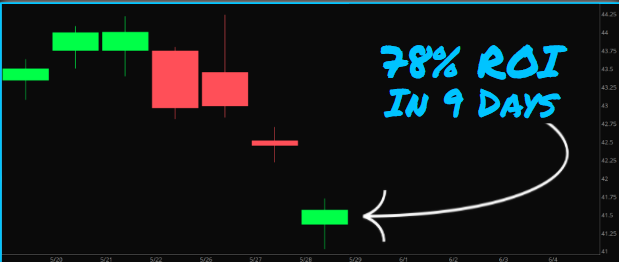
Acting on the bearish bet before the news came out with a quick trade locked in 78% in 9 days.
It doesn’t end there…
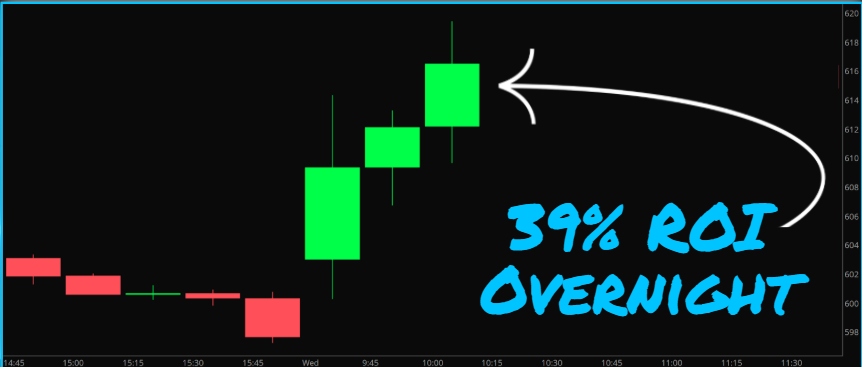
These massive insider bets also tipped off a 39% winner on META overnight.
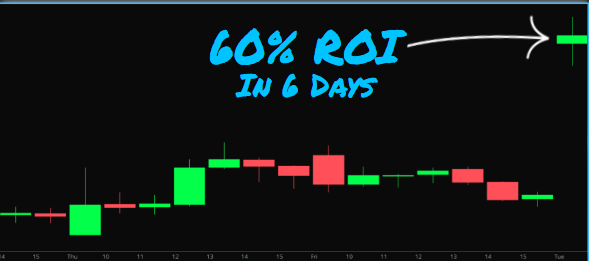
And even 60% on TSM in 6 days.
There were smaller wins and those that didn’t work and I won’t make reckless guarantees about the stock market…
But in the next few minutes…
I’ll show you the special secret I use to track these insider bets…
Better yet…
You’ll get FREE access to use this secret for yourself too… with no catch.
All you have to do is tap this link to get instant FREE access and start tracking these insider bets yourself.
To Better Trading,
Alex Reid.
Prediction Markets Have an Insider Trading Problem. Election Officials Are Now Writing the Rules Themselves.
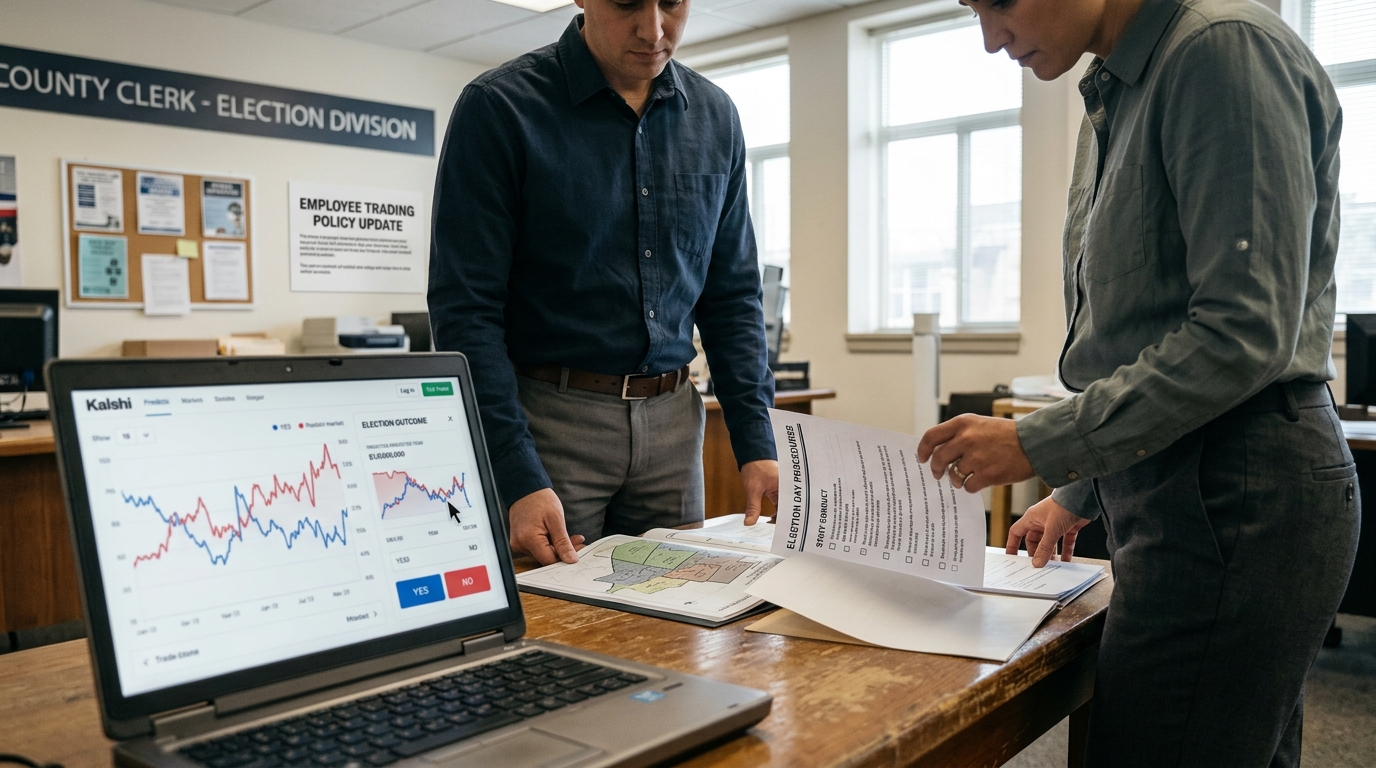
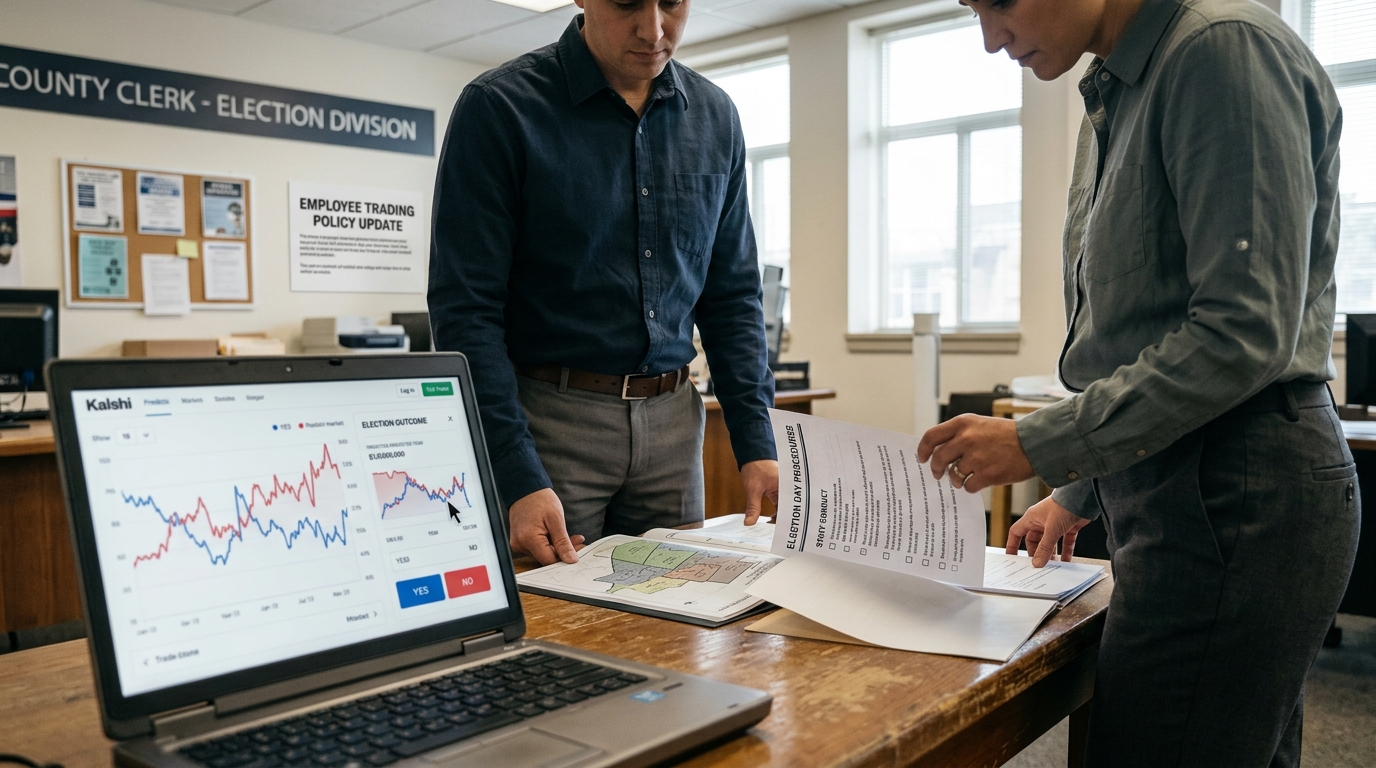
The midterms are eight weeks away, and the people who run American elections have decided they cannot wait for Kalshi, Polymarket, or Congress to solve the insider trading question for them.
With less than two months until November, election and county officials are prohibiting employees from participating in prediction market contracts, calling it the tightest measure available to ensure that workers with access to ballots do not commit insider trading on election outcomes. In Maricopa County, Arizona, the resolution covers roughly 13,000 county employees and extends to event contracts across weather forecasts, court proceedings, and election results. In Delaware County, Pennsylvania, the elections director asked the board to add prediction market trading to the oath that already requires each polling place and county election worker to swear not to bet on the election.
These are not federal regulators. These are county supervisors and registrars acting unilaterally because the formal legal framework remains unresolved. Courts are already packed with litigation over whether states can regulate prediction markets at all under state gambling laws that cover casinos and sports betting. Into that vacuum, local administrators are writing their own rules.
The enforcement landscape surrounding the platforms themselves is already bruising. Arizona’s attorney general filed criminal charges against Kalshi earlier this year, accusing the company of illegally accepting bets on election outcomes, with a 20-count filing in Maricopa County Superior Court that included four counts of election wagering. A federal judge temporarily halted Arizona’s criminal case against Kalshi, but Kalshi faces similar legal challenges in several other states where gaming regulators have issued cease-and-desist orders or filed suit.
None of this has slowed the money. Trading volume on midterm election results has surpassed $197 million across 1,408 open markets on Kalshi and Polymarket, according to an NBC News analysis. That figure makes the midterm cycle a genuine revenue line, not a sideshow, for both platforms and the institutional infrastructure backing them. Intercontinental Exchange announced plans to invest up to $2 billion in Polymarket. DraftKings launched a predictions product in late 2025 that connected to CME Group as a distribution partner, pulling market-style infrastructure into what increasingly resembles a betting operation.
The compliance pressure is now moving well beyond county clerks. Reuters and Bloomberg reported that Goldman Sachs banned employees from trading on prediction markets except for sports and entertainment bets, prohibiting event contracts related to specific companies, election outcomes, and financial market performance. Several outlets have reported that hedge funds Point72 and Balyasny went further, placing an outright ban on all employee trading from personal accounts on prediction markets. The U.S. Senate unanimously passed a rule barring senators, officers, and employees from participating on the platforms.
Kalshi and Polymarket now face a fractured compliance map: federal detection standards, state geofences, and county employment policies all applying to the same trader. Neither platform answered questions about whether they plan to engage directly with election officials over their concerns, while a Polymarket spokesperson said states lack legal jurisdiction to regulate prediction markets.
That posture is becoming harder to sustain. Earlier this year, Los Angeles County election officials said they found themselves responding to a new layer of misinformation and speculation after the final vote count in the county’s mayoral primary did not match prediction market odds. When market odds diverge from results, the platforms get blamed for undermining election confidence whether they deserve it or not. That reputational exposure is the one risk no amount of CFTC oversight can fully hedge. The county bans are a warning, not a ceiling. More jurisdictions will follow before November.