
November 14, 2026
Bonus Content: Walmart, Target, and Home Depot Must Guide Q4 Into a Rate Hike
There’s a market signal that shows up around 9:35 AM that most traders completely overlook.
They’re watching RSI.
Moving averages.
Candlesticks.
Trying to figure out where the market is headed next.
Meanwhile, I’m watching what happens in the first few minutes after the opening bell.
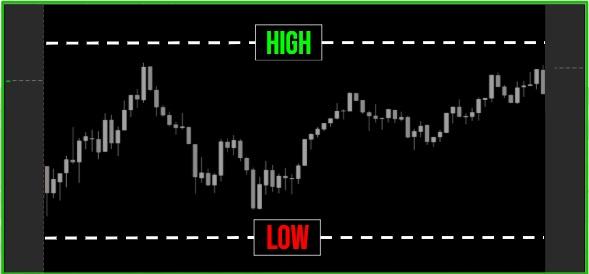
Because that’s where I’ve found a recurring pattern that can help identify key levels above and below the market.
I’ve spent years tracking this behavior.
And over the past two years, we’ve seen this approach produce 618 winning signals.
Now there’s a new test on the table.
Can we get to win #618 before the weekend?
I’ve set a challenge in motion to find out.
No trading guarantees, of course…
But I can show you the data behind the setup, the levels I’m watching, and exactly what I’m looking for as we make our run from #618 toward #620.
If you want to follow along the Challenge, I’ve laid everything out right here.
See you in the market,
Chris Pulver
Walmart, Target, and Home Depot Must Guide Q4 Into a Rate Hike
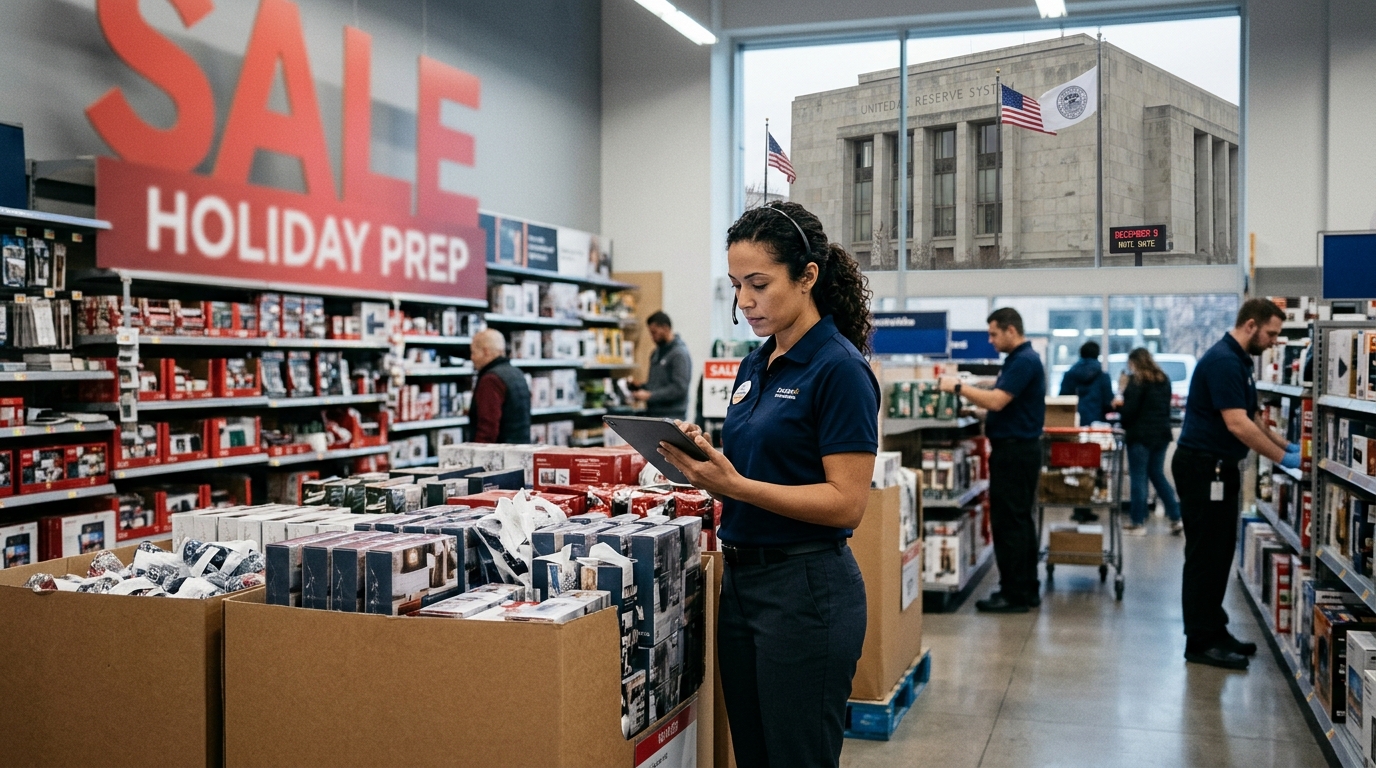
Three of America’s largest retailers report within 72 hours of each other, and what they say about the next six weeks could matter more to investors than what they earned in September.
October’s CPI report, released November 10, appears to have reinforced expectations for a 25-basis-point rate hike at the Fed’s December 8-9 meeting. Headline inflation rose 0.4% and core inflation 0.3% for October, with both coming in hotter than economists had expected. Markets are now heavily skewed toward a quarter-point hike, with a smaller chance of a 50-basis-point move. That is the backdrop against which Home Depot, Target, and Walmart will step to the podium.
The Numbers on the Table
Home Depot reports Tuesday, November 17, before the open, with consensus calling for about $3.84 per share on roughly $42.8 billion in revenue. That would represent year-over-year earnings growth of about 2.7% and revenue growth of about 3.4%. UBS analyst Sachin Verma frames the debate around HD as less about when the housing market recovers and more about what the company can earn before it does, a distinction that matters acutely when mortgage rates are rising again.
Target follows Wednesday before the open, with analysts expecting about $2.06 per share on roughly $26.4 billion in revenue. The unofficial whisper estimate sits above consensus, raising the bar considerably. Walmart closes the week Thursday, November 19, with results and its earnings call scheduled for 7 a.m. CST. Consensus has Walmart at $0.64 in earnings per share on $187.27 billion in revenue.
Before any of that, Tuesday’s October advance retail sales reading arrives at 8:30 a.m. ET. Consensus expects a gain of 0.2% month-over-month, down sharply from the prior 0.8%, with the control group seen rising 0.4%. The CNBC/NRF Retail Monitor showed total retail spending rose just 0.2% in October to $561.7 billion, the slowest monthly gain since November 2025. The government release will confirm whether October’s deceleration was real or seasonal noise.
What Guidance Will Reveal
The earnings figures are table stakes. The investment thesis turns on Q4 guidance language, specifically on two things: how much promotional activity each company is planning, and whether inventory was positioned conservatively enough to avoid a markdown spiral if consumer traffic softens in December.
Slower real income growth and persistent inflation pressures are constraining spending capacity for many households, requiring retailers to tailor pricing, promotions, and inventory to an uneven consumer landscape while managing continued pressure on margins. In a 2026 survey of 661 retail inventory management professionals, more than half said they sometimes proceed with demand forecasts they know are unreliable, and a meaningful share reported chronic exposure to shelf-life and overstock risk.
The concern is not that consumers vanish entirely. The NRF projects holiday spending will reach a record $1.013 trillion, representing 4.2% growth over last year. But higher energy and borrowing costs are squeezing budgets, and PwC’s Holiday Outlook 2026 found gift spending is projected to dip about 2% from last year. Nominal growth driven by inflation is not the same as units moving off shelves, and retailers carrying excess stock going into January face a painful clearance season.
The Divergence Risk
Walmart enters this week from a position of strength. Last quarter, Walmart beat the analyst consensus by $0.07 per share, and its value-positioning tends to attract trade-down shoppers when household budgets tighten. Target’s situation is more complex: Q2 results included $994 million of pretax tariff refund benefits that contributed $1.65 to both GAAP and adjusted EPS, making year-over-year comparisons difficult and Q3 guidance harder to read. Home Depot’s leverage to the housing cycle makes it the most rate-sensitive of the three. Q2 comparable sales rose just 1.3% in the U.S., and another round of mortgage rate pressure going into Q4 is unlikely to accelerate project spending.
Risks to the Thesis
A surprise beat in retail sales Tuesday, combined with strong Q4 guidance from all three retailers, would suggest the consumer is absorbing rate hikes better than feared and reduce markdown risk considerably. The bearish path: soft retail sales, cautious guidance, and any sign of inventory building at Target or Home Depot could weigh on the XRT retail ETF and confirm that the Fed is tightening into genuine demand softness, not just slowing nominal momentum.
Bottom line: This week does not settle the debate about whether the American consumer is breaking. It does reveal how three executives with direct visibility into tens of millions of shopping baskets choose to describe the next 45 days. That framing, far more than any single data point, is what investors should be listening for.