
September 21, 2026
Bonus Content: China’s Solar and Battery Crackdown Could Shift Silver and Copper
New Digital System Threatens Your Money
The biggest financial shift in 50 years just accelerated.
If you have not seen how people are preparing for this, you should.
137 nations – nearly the entire world economy – are building digital currencies to replace the U.S. dollar.
China’s digital yuan processed $986 billion.
India’s digital rupee grew 334%.
The UAE’s Digital Dirham goes live this year.
Russia follows next year.
The most dangerous part is already active:
Project mBridge – a digital payment network that bypasses SWIFT and settles global transactions in seconds.
It cuts out the dollar.
It cuts out U.S. banks.
It cuts out America’s influence.
26 central banks are joining.
This is not a debate.
This is a replacement.
When the dollar loses demand…
markets shake.
purchasing power drops.
retirements take the hit first.
If you have not seen how people are shielding their savings, do it now.
The only assets not tied to this new digital system?
Gold and silver.
You can legally move part of your retirement into physical metals – tax and penalty free.
Here is the quickest way to get ahead of this:
Download Your Wealth Preservation Guide >>

This shift is already happening.
Do not let your savings be the last thing to adjust.

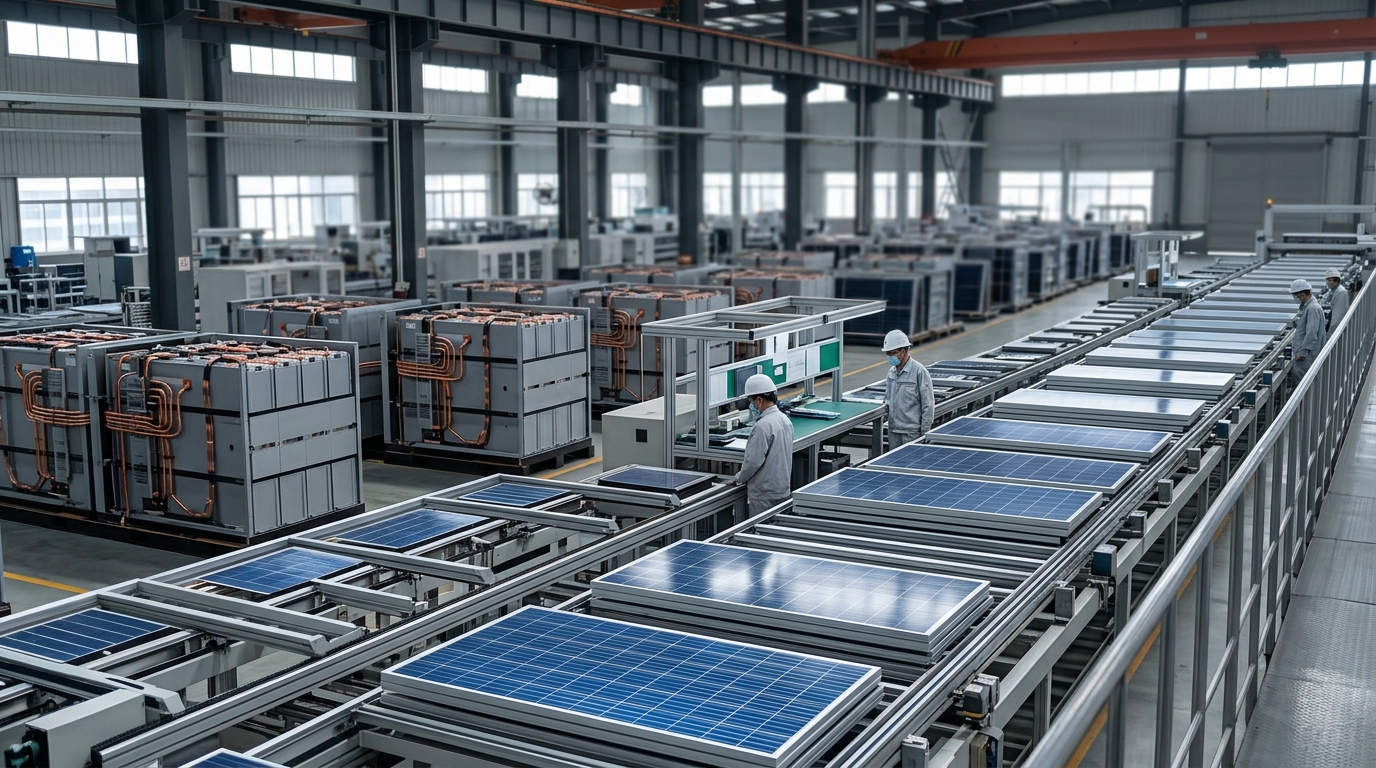
China’s Solar and Battery Crackdown Could Shift Silver and Copper
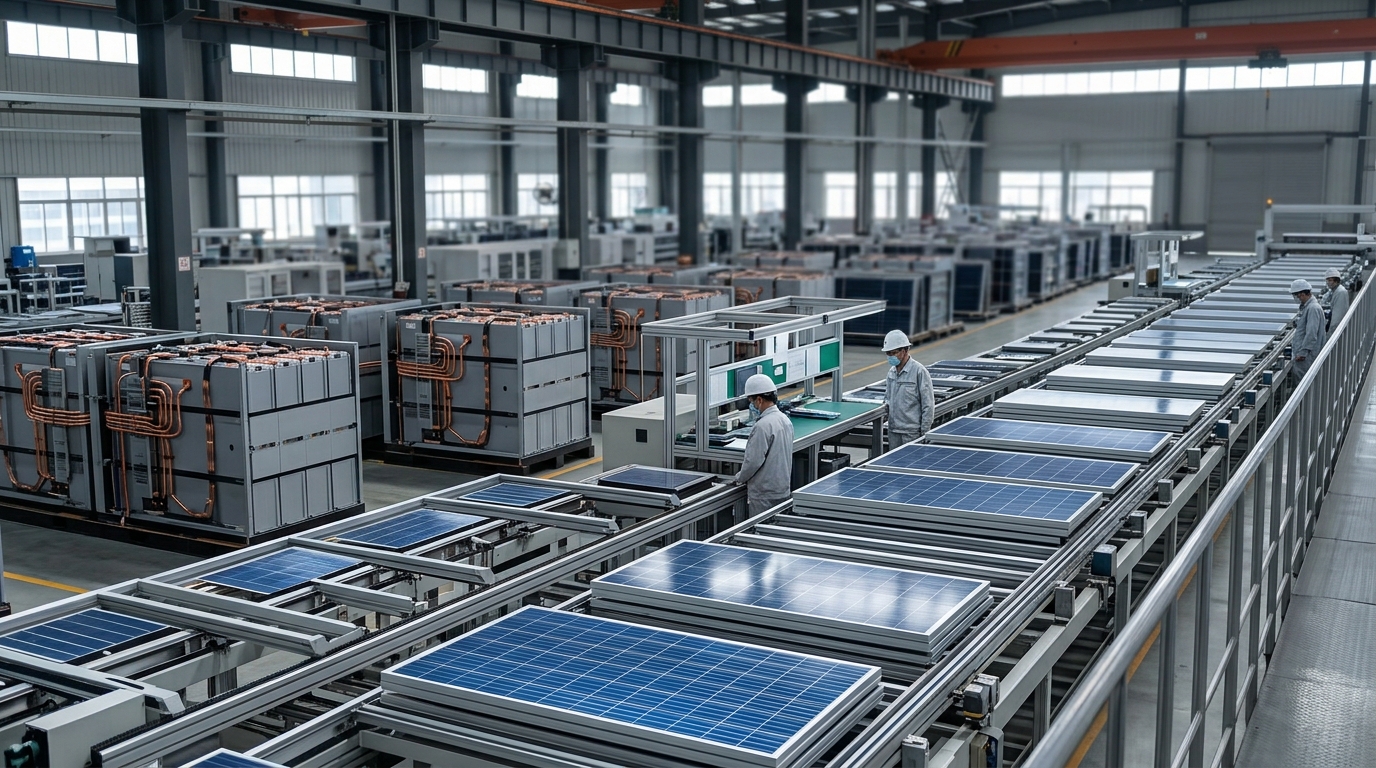
On September 20, China’s State Administration for Market Regulation laid out a five-year blueprint that changes the rules of engagement for every manufacturer in the country selling on price alone. During the 15th Five-Year Plan period running from 2026 to 2030, Chinese market regulators will use standards, price enforcement, and quality supervision to curb “involution-style” competition, while tightening antitrust and anti-unfair-competition enforcement. “Rather than burning themselves out in a race to the bottom,” SAMR Vice Minister Shu Wei said, authorities will conduct cost investigations and price inspections of firms engaging in malicious low-price competition and “deal with them strictly in accordance with the law.”
This is not an abstract regulatory statement. The sectors most directly targeted, solar manufacturing, lithium batteries, and electric vehicles, are among the largest industrial consumers of silver and copper on the planet, and the pricing reset those industries are being forced toward has real consequences for the metals complex.
What’s Driving the Market
China’s annual solar manufacturing capacity reached an estimated 1,200 GW by late 2025, nearly double total global demand, with polysilicon inventories carried into 2026 at roughly 550,000 metric tons and average factory utilization sitting at about 44% for polysilicon and 47% for modules. The resulting price destruction has been severe: combined revenue for 22 major solar supply chain companies fell over 11% year-on-year in the first quarter of 2026, with combined losses reaching approximately $1.5 billion, while industry leaders LONGi, Tongwei, and TCL Zhonghuan recorded losses for ten consecutive quarters.
Beijing has been escalating its response throughout the year. It took until mid-2026 for more binding measures to arrive, including mandatory energy-consumption standards and stronger market supervision signals. A 2% consumption tax on lithium-ion batteries took effect September 1, 2026, rising to 4% from September 1, 2027. For solar, the complete elimination of the 9% VAT export rebate from April 1, 2026 front-loaded the cost pressure on module producers. Now SAMR’s 15th Five-Year Plan mandate adds antitrust teeth and a tighter approach to low-price competition enforcement on top.
In the battery sector, regulators have also signalled stronger pressure on disorderly competition and low-price strategies, increasingly treating overcapacity as a structural industrial risk rather than a short-term adjustment.
The Investment Opportunity
Here is where precious metals investors need to pay attention. Silver entered 2026 with industrial demand expected to be closer to the mid-600-million-ounce range, not above 720 million ounces, and industrial applications accounted for roughly 58% of total silver demand in 2025. Chinese solar installations hit a record year in 2025, with official data showing new solar and wind installations combined exceeded 430 GW, and China still dominates solar manufacturing, meaning Chinese policy decisions disproportionately affect global silver demand.
Supply discipline enforced on Chinese solar and battery manufacturers points in two distinct directions for silver. Reduced module output in the near term means reduced silver offtake, but a floor under Chinese solar pricing would also reverse the economics that have been driving copper substitution. Silver’s share of module cost per watt has risen sharply from around 3% in 2023, with some industry estimates putting it in the teens and, in periods of elevated prices, materially higher. That has pushed manufacturers to intensify substitution efforts as prices climbed toward $80 per ounce in 2026. If Beijing successfully raises the floor on module prices through supply consolidation, the urgency to strip silver out of cells diminishes. Direct copper plating on solar cells remains the most significant long-term threat to solar silver demand, but commercialization timelines still suggest a gradual transition rather than an overnight shift, leaving silver’s role in solar broadly intact in the near term.
Copper’s position is more straightforward. The anti-involution campaign represents deliberate policy intervention designed to transition competition from pure price-based dynamics toward value-driven differentiation, acknowledging that sustained below-cost selling undermines research and development capacity and threatens long-term technological leadership. A Chinese manufacturing base investing again in quality and capacity upgrades is a manufacturing base buying more copper wiring, more transformers, and more power infrastructure.
Risks to Monitor
SAMR struck down an earlier producer coordination attempt in January 2026 as anti-competitive, undercutting the campaign’s credibility from within the government itself. That tension has not been resolved. Critics argue these policies treat the symptoms rather than the cause, reducing capacity in one sector without changing the underlying growth incentives, simply shifting overinvestment elsewhere. Execution over five years is a very different matter from a press conference announcement.
Bottom Line
What precious metals investors may not have fully priced is that China’s anti-involution campaign is not simply a domestic industrial policy story. The Silver Institute has said the silver market is expected to run a sixth consecutive annual deficit in 2026, but some figures in circulation around mine supply being flat near 830 million ounces for a decade are too rigid to rely on without qualification, given year-to-year changes and the fact that total supply includes recycling. Any policy that stabilizes the floor under Chinese solar and battery pricing, removing the cost pressure that has been accelerating silver substitution, reinforces the deficit case for silver without requiring a single new mine to open. Watch whether SAMR’s enforcement announcements translate into actual cost investigations by the end of 2026. That is the moment the metal markets will take this seriously.