By Dmitry Antonov
MOSCOW, March 6 (Reuters) – Russia said on Friday it would respond if Finland placed nuclear weapons on its territory, saying such a move would make the Nordic country more vulnerable.
The Kremlin reacted sharply after NATO member Finland said on Thursday it was planning to lift a longstanding ban on hosting such weapons, in a move that could open the door to placing them there during times of war.
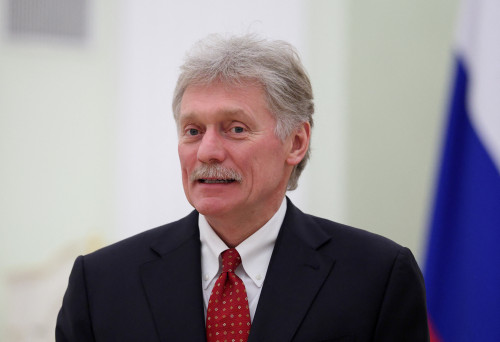
“This is a statement that leads to an escalation of tensions on the European continent,” Kremlin spokesman Dmitry Peskov told reporters.
“This statement adds to Finland’s vulnerability, a vulnerability provoked by the actions of the Finnish authorities. The fact is that by deploying nuclear weapons on its territory, Finland is beginning to threaten us. And if Finland threatens us, we take appropriate measures.”
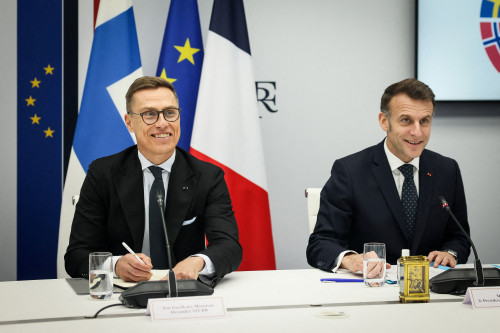
The Finnish shift is part of a wider rethink of European deterrence that has prompted France to offer to extend the protection of its nuclear arsenal to other allies on the continent.
The changes are being driven by Russia’s war in Ukraine and the unpredictable behaviour of U.S. President Donald Trump – notably his threat to take over Greenland – which has unsettled his NATO allies.
FINLAND SAYS CHANGE IS NEEDED FOR NATO NUCLEAR PLANNING
Finnish President Alexander Stubb told reporters during a visit to India that the change “is not about Finland facing any acute or sudden security threat. It is about ensuring that we can participate fully in NATO’s nuclear planning”.
He said Finland did not want a nuclear weapon on its territory but was aligning itself with the policy of its Nordic neighbours.
Neighbouring Sweden’s doctrine is to station no permanent foreign troops or nuclear weapons on its soil in peacetime, Prime Minister Ulf Kristersson said last week, when asked about the possibility of his country hosting French nuclear arms.
“If we were to find ourselves in a completely different situation, that particular formulation would not apply,” Kristersson said.
The shifts by Finland and Sweden are all the more striking as both nations maintained neutrality during the Cold War and joined NATO only in 2023 and 2024 respectively, after Russia sent tens of thousands of soldiers into Ukraine. Finland shares a border of 1,340 km (830 miles) with Russia.
Macron announced on Monday a plan to expand France’s nuclear arsenal and said other European countries would be able to take part in French nuclear exercises. France and Germany said they had set up a nuclear steering group to discuss deterrence issues.
Russia said Macron’s announcement was an “extremely destabilising development” that posed a potential threat to Moscow.
Russia itself has repeatedly used veiled nuclear threats to deter the West from intervening too far in support of Ukraine during the four-year war.
(Additional reporting by Anne Kauranen and Essi Lehto in Helsinki, Writing by Mark TrevelyanEditing by Gareth Jones)