By David Shepardson
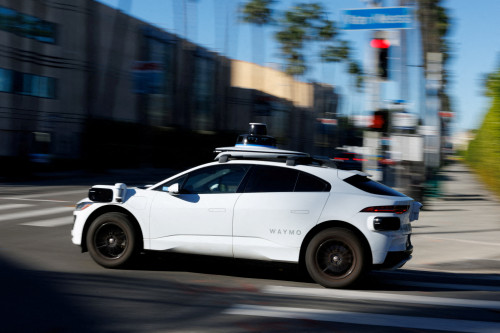
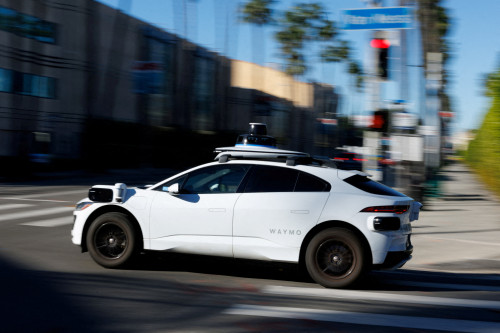
WASHINGTON, March 3 (Reuters) – The National Transportation Safety Board said Tuesday it is investigating a new incident in January of Waymo self-driving vehicles passing a stopped school bus with its lights activated in violation of Texas state law.
The Alphabet unit in December recalled its self-driving vehicles after Texas officials said they had illegally passed school buses at least 19 times since the start of the school year.
A new incident occurred in Austin, Texas, on Jan. 12 while a school bus was loading passengers and is under investigation, NTSB said, adding it is also aware of a Jan. 14 incident that involved a Waymo and a 2023 international school bus operating on a special-needs route.
The NTSB said the Waymo stopped for the bus but then other vehicles passed the bus, which prompted the Waymo to ask a human remote assistance operator if it was “a school bus with active signals?” and the agent said no, and then Waymo passed the bus.
The NTSB plans to issue safety recommendations to prevent similar incidents.
Waymo said it appreciates the work of the NTSB.
Waymo said in December a software issue contributed to self-driving vehicles initially slowing or stopping for a school bus and then proceeding.
The National Highway Traffic Safety Administration first opened a probe in October into Waymo vehicles near school buses.
The Austin Independent School District said in November five incidents occurred in November after Waymo issued an earlier software update to resolve the issue.
The school system last year asked the company to halt operations around schools during pick-up and drop-off times until it could ensure the vehicles would not violate the law but Waymo refused.
Both NHTSA and the NTSB are also investigating the Jan. 23 collision of a self-driving Waymo that struck a nine-year-old girl in a school zone in Santa Monica, California who ran across the street from behind a double-parked SUV toward the school.
Waymo said the self-driving vehicle immediately detected the girl, braking hard and reducing speed from approximately 17 mph to under 6 mph before contact was made.
(Reporting by David Shepardson; Editing by Chizu Nomiyama and Nick Zieminski)