By Lucy Craymer
WELLINGTON, Dec 1 (Reuters) – The first job for the Reserve Bank of New Zealand’s new chief as she starts work on Monday is to make the central bank boring again, following a tumultuous period that dented its reputation and damaged the economy.
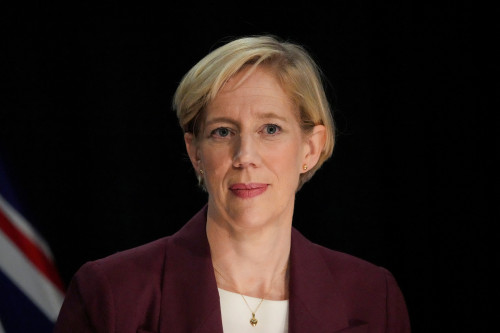
Anna Breman, the former number two at Sweden’s central bank and the first woman to lead the RBNZ, fills the role left vacant by controversial governor Adrian Orr in March, who fell out with the government over proposed funding cuts to the Reserve Bank. Orr’s former deputy, Christian Hawkesby, held the position on an interim basis.
Critics blame the central bank’s rapid-fire interest rate hikes and subsequent delay in pivoting to rate cuts under Orr for the country’s prolonged economic gloom.
He had a reputation as a maverick, who at times wrong-footed financial markets and on occasion openly clashed with Finance Minister Nicola Willis.
Breman, who was named to the job in September, brings an outsider’s perspective as the first foreigner to lead the RBNZ in its modern history. At a news conference after her appointment, she pledged to stay “laser focused” on inflation, and committed to engaging with a wide range of communities and business groups.
“The Reserve Bank has had a complicated time,” said Alan Bollard, who was RBNZ governor between 2002 and 2012.
Along with getting to grips with the specifics of New Zealand’s economy and political system, Breman needs to rebuild the central bank’s relationship with Willis and others at Treasury, Bollard added.
Last week, the RBNZ cut the official cash rate to a three-year low of 2.25%, while signaling a likely end to the current easing cycle. The monetary policy committee is not scheduled to meet again until February 18.
Nick Tuffley, chief economist at ASB Bank, said the pause would give Breman time “to get a good handle on if the economy is picking up sufficiently.”
“First challenge, really, is leading an organisation that needs to make forecasts and come up with a view on if there is enough stimulus in place,” said Tuffley.
Faraz Syed, a senior economist at Citi, said it was likely there would be some volatility next year as investors get used to how the RBNZ functions under new leadership.
Markets will hear from Breman when she appears in front of a parliamentary committee on Tuesday as part of an annual review of the central bank.
Beyond monetary policy, Breman takes over an ongoing review of new bank capital requirements and the establishment of a financial policy committee that will advise the Finance Minister on legislative reform.
Breman also needs to navigate issues with the bank’s Wellington headquarters, which were recently closed after an asbestos scare, and move the bank forward following budget cuts that slashed nearly 20% of its staff.
Don Brash, who was RBNZ governor between 1988 and 2002, said he hopes Breman will embrace leading a lean, efficient central bank, adding that he expects she will rebuild the team around her.
Breman is “a clean break from the past, and that has to be a good thing, given where the central bank got to in the last few years,” Brash said.
(Reporting by Lucy Craymer; Editing by Kevin Buckland)